For decades, growing companies faced a stubborn financial catch-22. As revenue scaled past six or seven figures, basic bookkeeping and annual tax prep were no longer enough. The business needed strategic capital allocation, unit-economic forecasting, and investor readiness. Yet hiring a full-time Chief Financial Officer (CFO)—with executive compensation regularly topping six figures—remained financially out of reach.
Enter the Fractional CFO. By hiring high-level financial executives on a part-time, retainer, or project basis, mid-market businesses and early-stage startups can tap enterprise-grade strategic guidance without the enterprise price tag.
Bookkeeper vs. Controller vs. Fractional CFO
Many business owners blur the lines between their accounting personnel. While all three roles deal with money, their focus points in completely different directions:
| Role | Primary Focus | Perspective | Core Output |
| Bookkeeper | Data Entry & Categorization | Past | Balanced books, clean ledger |
| Controller | Compliance & Reporting | Present | P&L statements, balance sheets, audits |
| Fractional CFO | Strategy, Growth & Capital | Future | Cash forecasts, unit economics, fundraising |
A bookkeeper records what you spent last month; a Fractional CFO tells you how much cash you can invest next quarter without threatening operational runway.
What Does a Fractional CFO Actually Do?
Instead of managing day-to-day invoice processing, a Fractional CFO embeds into your business to address high-stakes operational levers:
-
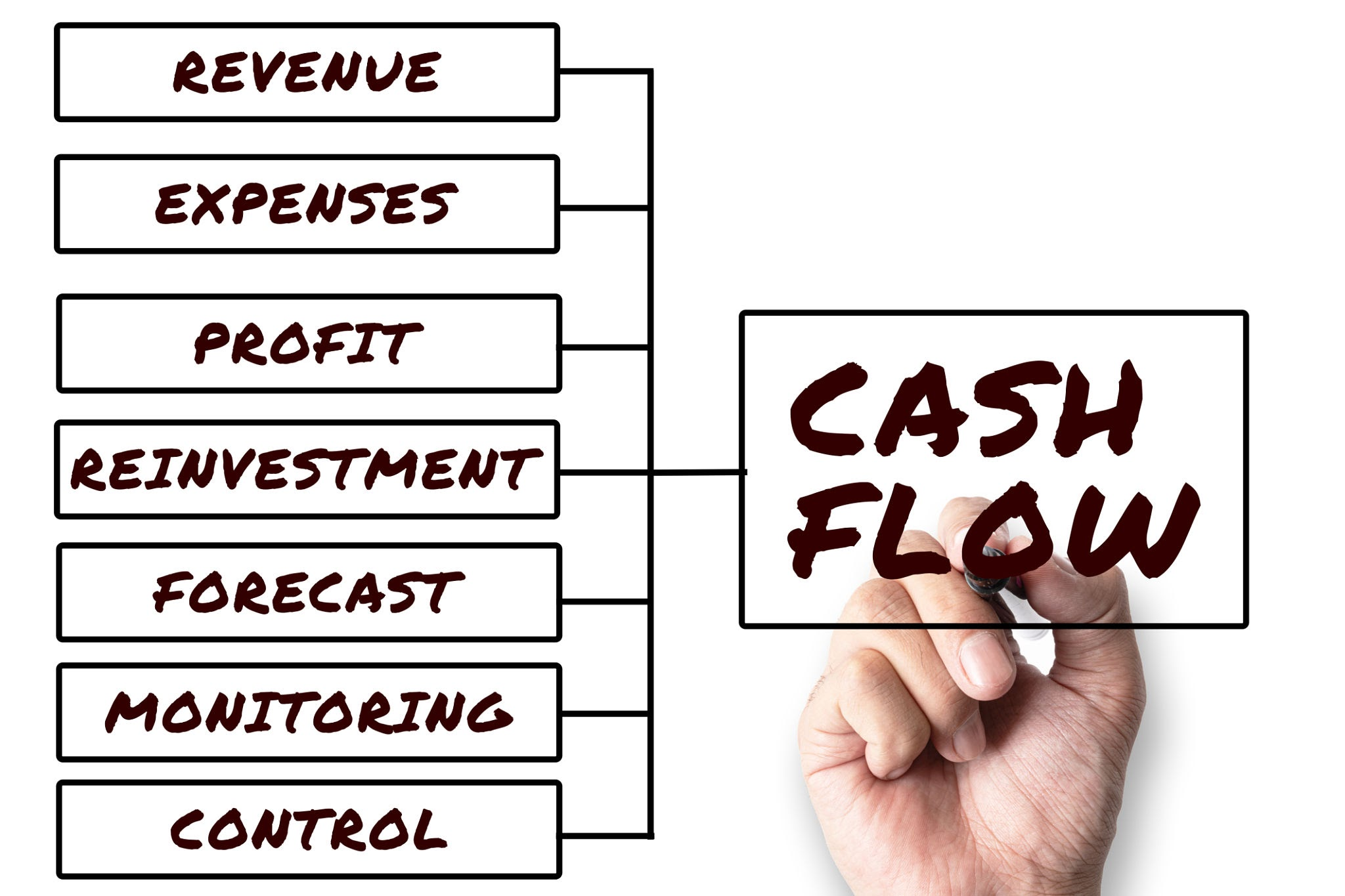
Rolling Cash Flow Forecasting: Building dynamic 13-week and multi-year cash models that account for seasonality, hiring plans, and inventory cycles.
-
Pricing & Unit Economics Optimization: Analyzing gross margins across product lines or client tiers to eliminate hidden profit drains.
-
Capital Strategy & Debt Structure: Preparing financial models for bank loans, venture capital decks, or credit line negotiations.
-
KPI Dashboarding: Translating complex accounting reports into clear operational metrics that department leads can execute against.
When Is the Right Time to Hire One?
Not every company needs executive financial support right away. However, specific inflection points signal that your business has outgrown standard accounting:
-
Rapid Scaling: Revenue is growing quickly, but cash in the bank feels tighter than ever.
-
Key Strategic Shifts: You are planning a major acquisition, expanding into international markets, or launching a new product line.
-
Fundraising Preparation: You need institutional-grade financial models to pitch angels, VCs, or commercial lenders.
-
Margin Erosion: Top-line revenue looks healthy, but net margins are shrinking without a clear explanation.
The Strategic Advantage
Fractional CFO services allow founders to bridge the gap between basic accounting and executive leadership. By aligning historical financial data with forward-looking growth strategies, small and mid-sized businesses gain the clarity needed to scale sustainably—turning money management from a reactive chore into a proactive competitive advantage.