ESG Investing in 2026: Navigating the Evolving Landscape of Sustainable Finance
As we delve into 2026, Environmental, Social, and Governance (ESG) investing continues to mature, transforming from a niche strategy into a cornerstone of global finance. Despite political fluctuations and regulatory uncertainties, the momentum behind ESG persists, driven by economic imperatives and investor demands for resilience in an unpredictable world. This year marks a pivotal shift toward pragmatism, where sustainability is no longer just an ethical choice but a strategic necessity for long-term value creation. Investors are increasingly focusing on material ESG factors that directly impact financial performance, such as climate adaptation and biodiversity risks, reflecting a broader recalibration in response to changing market conditions.
One prominent trend is the deeper integration of biodiversity considerations into investment decisions. Rising concerns over ecosystem degradation are prompting asset managers to assess how companies mitigate risks related to habitat loss and resource scarcity. This aligns with evolving global regulations, particularly in the European Union, where legislation supporting a circular economy is gaining traction, encouraging businesses to adopt practices that minimize waste and promote resource efficiency. Simultaneously, the intersection of ESG and artificial intelligence is accelerating, as AI’s energy demands and ethical implications amplify sustainability challenges. Investors are scrutinizing how tech firms address these risks, from data privacy to carbon footprints, ensuring that innovation doesn’t come at the expense of environmental goals.
In private capital, three pillars define the ESG narrative: compliance, value creation, and transparency. Leading funds are leveraging ESG not merely for regulatory adherence but as a tool for operational enhancement, identifying opportunities in clean energy manufacturing and grid modernization. This strategic embrace is echoed in nature-aligned investment solutions, which simulate and support transitions toward biodiversity-positive outcomes. Moreover, limited partners are demanding greater transparency, pushing for robust reporting on real ESG performance rather than superficial metrics.
The green economy’s expansion underscores this optimism, surpassing $5 trillion in annual value, with decarbonization solutions like solar and wind becoming cost-competitive staples.
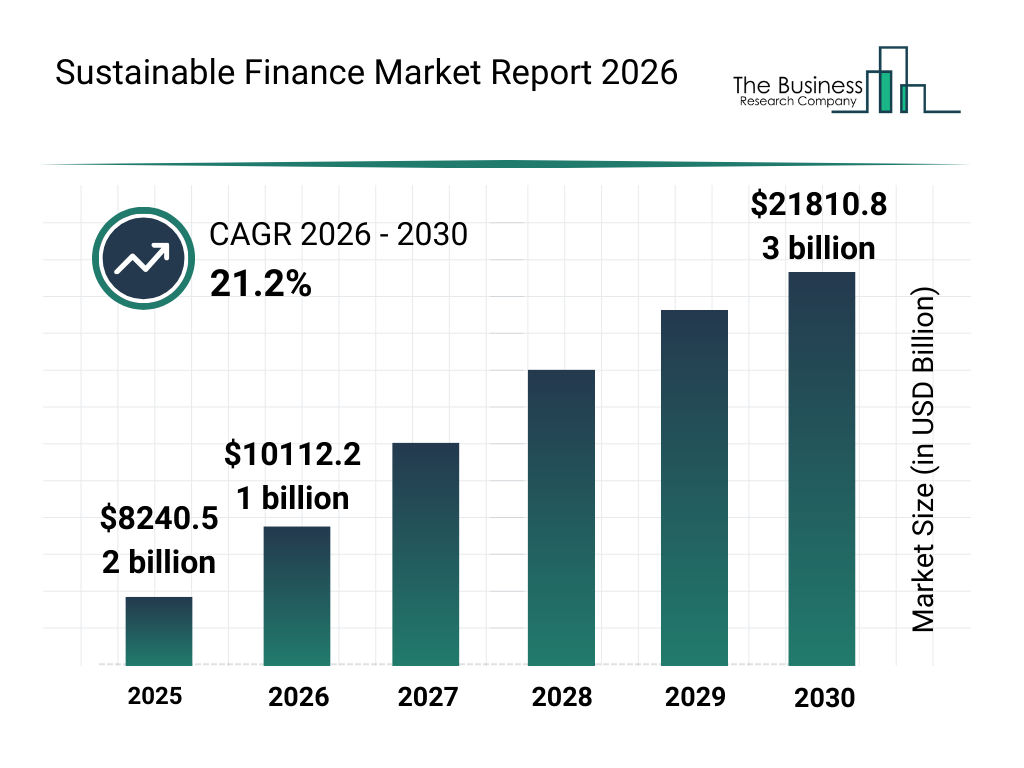
This growth defies narratives of retreat, as ESG investing evolves to prioritize financially material issues like governance strength and climate resilience. Chief sustainability officers are now justifying programs through solid business cases, emphasizing cost savings and revenue opportunities over lofty ideals.
Looking ahead, adaptation emerges as a growth engine, with investors viewing resilience-building as an avenue for competitive returns amid widening gaps in climate funding. Artificial intelligence further amplifies these trends by boosting clean energy demand and enhancing hazard detection. However, challenges remain, including fragmented regulations and the need for standardized reporting under frameworks like the ISSB.
In essence, 2026 positions ESG as a pragmatic force in finance, where transparency and strategic integration drive not just compliance but genuine value. As the landscape evolves, savvy investors who align with these trends will likely reap rewards, fostering a more sustainable and resilient global economy.